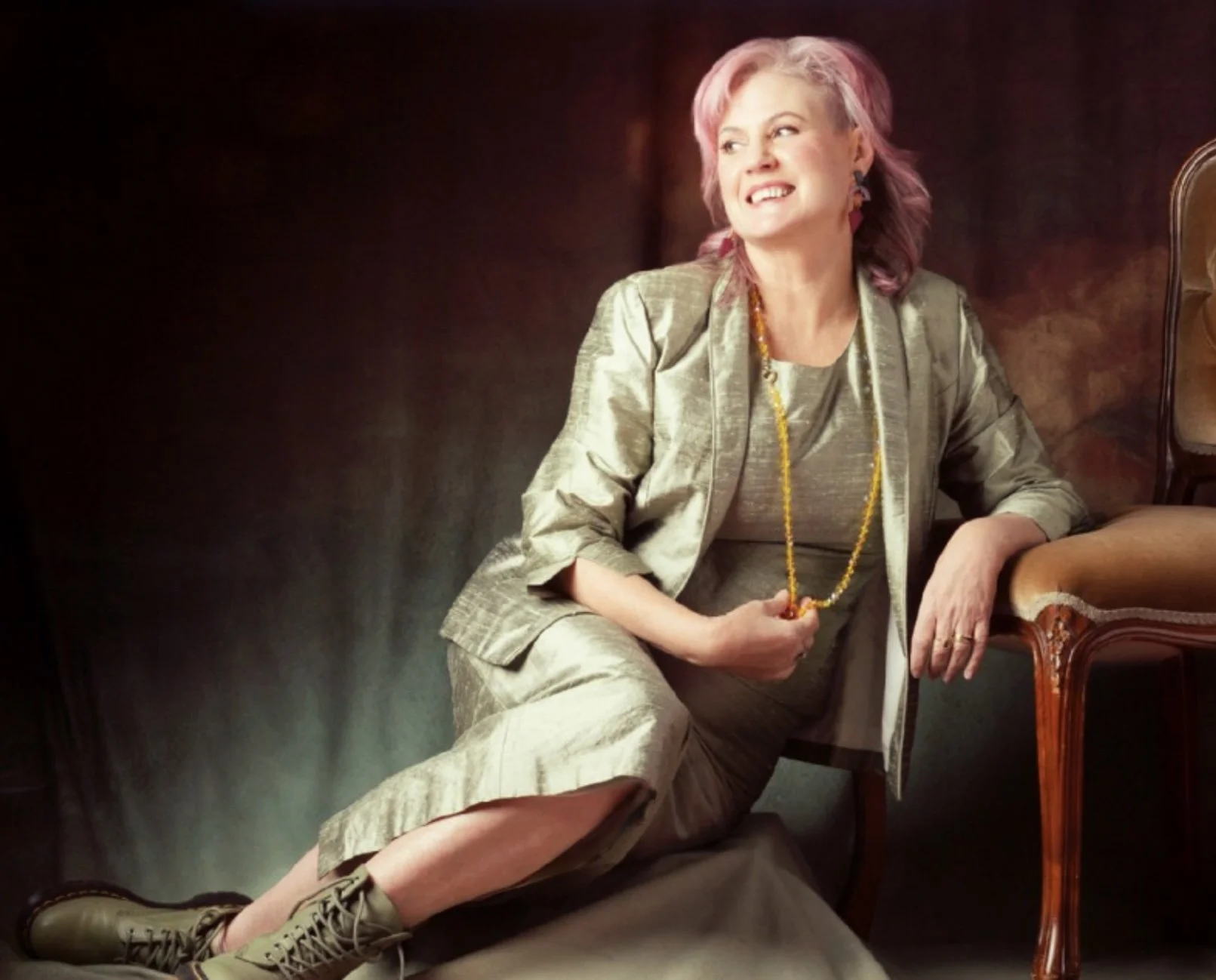
The hidden pressures women face choosing workwear
We often think of fashion as a matter of surface - something external, decorative, or even trivial. Psychoanalysis, on the other hand, is imagined as an exploration of the deepest parts of the mind. But in fact our bodies and minds are deeply connected, and this has always been a strong theme behind my work, particularly in my Style Direction consultations and now The Vivienne Project. The way we dress is not just an aesthetic choice but a psychological one, a form of self-presentation that reflects and shapes who we are.
Social psychologists talk about identity as a ‘self in context’, in other words, who we are depends a lot on where we are, who's watching, and what's expected of us. We don't simply ‘have’ an identity; we continuously adjust it in response to how others perceive and treat us.
Psychoanalysts argue that this act begins in childhood and continues unconsciously for the rest of our lives. It's a lifelong negotiation between how we see ourselves and how the world expects us to behave, especially when that world still measures feminine identity against traditional norms.
In the 1920s, English psychoanalyst Joan Riviere observed that successful professional women often felt compelled to perform femininity (as if donning a costume) to soften the threat their competence posed in a male-dominated workplace. Sadly, for these women, femininity became a kind of camouflage, a way to avert criticism or suspicion. Riviere wrote that womanliness and masquerade were the same thing, suggesting there is no such thing as an authentic femininity, only one that's learned and worn for the gaze of others.
This hidden pressure still exists in the corporate world today, and even since women began wearing boxy male-inspired tailoring in the 1980s. A woman preparing for a formal job interview or board meeting faces invisible yet immense pressure. Her outfit must strike a delicate balance: authoritative but approachable and certainly not aggressive, strong yet soft, confident yet conforming, elegant but not vain, professional but still recognisably feminine.
Just thinking about this is exhausting! The result is a kind of daily negotiation between authenticity and expectation and one that I used to practise daily when I worked in formal workplaces.
Our outfits become tactical armour. Each outfit carries quiet calculations about how to fit into a culture but stand out a little bit, and not be misunderstood! If done well, they allow women to navigate male dominated spaces with confidence, with the understanding that womanliness itself must not be ignored.
So, when women dress for formal jobs, they aren't simply choosing clothes. They're creating identities within a social order that still monitors, defines, and questions the boundaries of womanhood. Behind every carefully chosen suit or statement accessory lies a silent conversation about power, perception, and the uneasy relationship between person and performance.
Freed from the shackles of corporate life, many women rediscover style as an act of pleasure rather than presentation. The wardrobe shifts from polished armour to something more comfortable, more interesting and entirely personal. Out go the painful heels, the tight blazers, the cautious beiges. In come fabrics that move, colours that spark joy, and silhouettes that speak to comfort and self-definition. I had enormous pleasure in taking myself on this journey when I left corporate to do this work and now I love guiding other women on the journey through The Vivienne Project.
In this new stage of life, fashion returns to what it always promised to be: expression, choice, and joy. It becomes a way to reconnect with identity without the gaze of judgment or performance. It becomes an inward gesture rather than an outward performance.