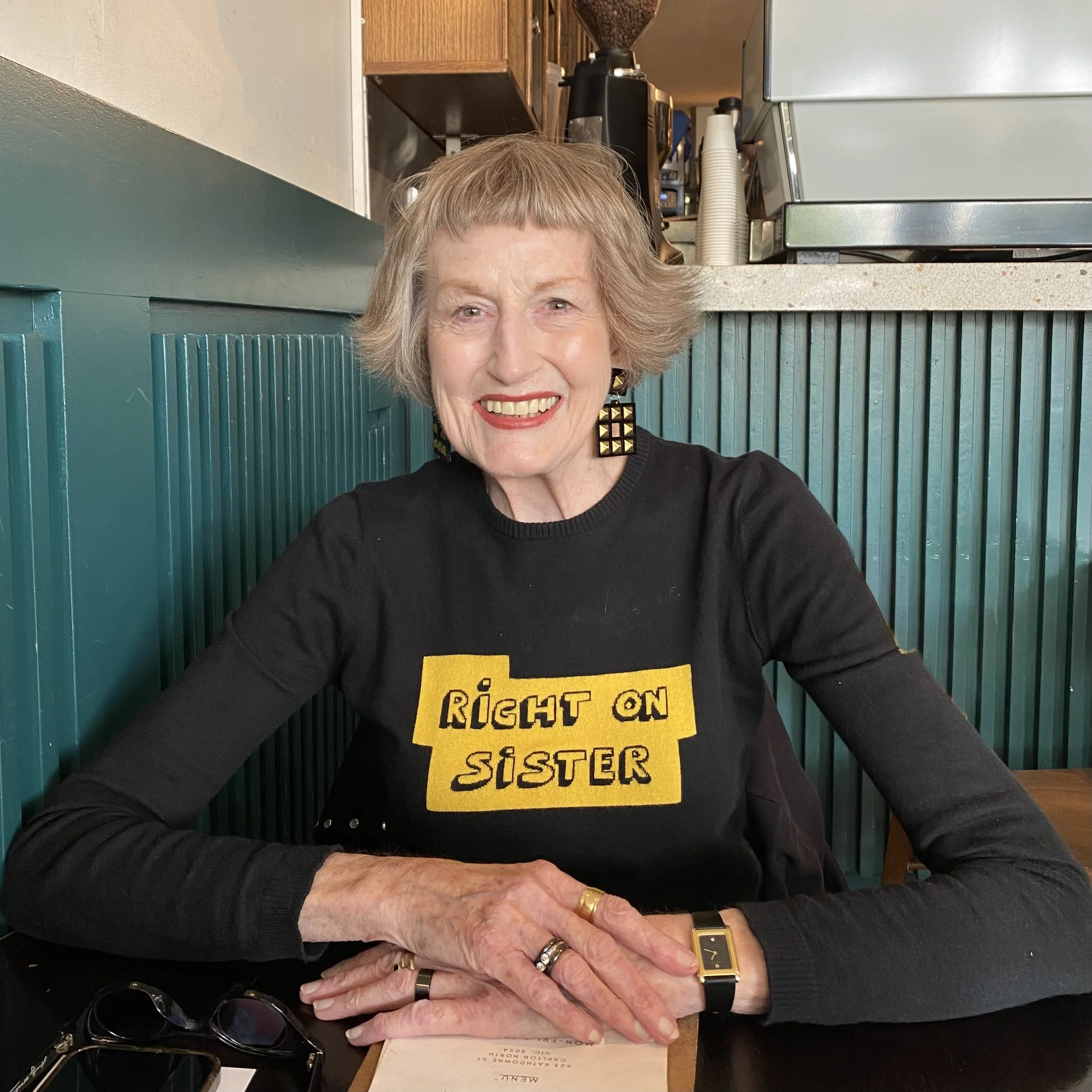
Vivienne Vignettes: Shona
Welcome to the first of a series about women in midlife who have left formal careers and have gone on to reinvent themselves in strong, interesting and colourful ways. I have named this series ‘Vivienne Vignettes’, to coincide with my newest offering, The Vivienne Project. The first of the series features my good friend, Shona.
After spending 20 years as a social worker and counsellor with a Disability Support Service, working with children and families from throughout Victoria, the sudden end of this chapter left me reeling. In the space of just three weeks, I found myself abruptly disconnected from a role that had defined me, losing the respect and connection that came with years of dedicated service. The way we leave such foundational work plays a crucial part in how we recover and move forward; my departure sparked a wave of stress and anxiety, leaving me to question my identity and future.
Initially, I spent a few weeks at home deeply unsettled. And then fortunately I was offered a place in an outplacement course at just the right time, and attending this helped to restore some confidence and structure to my life. Style has always been an essential part of how I express myself so even while feeling shattered, I knew I couldn’t let my appearance slide. Getting dressed with intention helped me pull myself together for the course and begin seeking new opportunities.
Interestingly, the outplacement course prompted me to re-evaluate my work clothes, encouraging reflection on how closely clothing can be tied to identity and the process of letting go. There were some clothes I knew I could no longer wear as they reminded me too strongly of my former workplace. So I got rid of these.
During this transition, I asked myself what attributes and skills I could bring to whatever came next. My strengths in colour and creativity and my keen observation of people came to the fore, highlighting possibilities for work outside traditional fields. For example, my knack for noticing footwear led me to consider working in a shoe shop, where supporting people and helping them choose shoes could become a new form of creative problem-solving.
Taking initiative, I reached out to a very swish footwear emporium on Melbourne’s prestigious Collins Street, expressing my interest, and I received a response the very next day. Getting that message restored my confidence — it showed that someone believed in my ability to adapt and succeed in a field I’d never explored before. My professional conversations then shifted from wellbeing (as a social worker and counsellor) to style; translating my listening and problem-solving skills into helping customers find the right shoes.
This employment opportunity opened doors: eventually, I moved from shoes to collaborating with Mary Lipshut, a doyenne of Melbourne’s fashion and social circles, on her vintage collection and to working on occasion with an eclectic clothing and shoe store on Melbourne’s über cool Gertrude Street. It was an introduction to a whole new world of fashion, showcasing the power of transferable skills: creativity, problem-solving and interpersonal. My journey had never been linear; before social work, I’d run a catering business, contributed to a university magazine, and worked in jewellery shops — all these roles built resilience for this reinvention.
Today, I feel more in control than ever before, free from the confines of someone else’s rules. I stepped into leadership at work, but now I feel truly empowered and self-reliant—capable of seeking counselling and collaboration, yet never feeling alone. Staying digitally connected was essential, prompting me to ask the important question: do I want to keep working, or embrace new freedom?
This freedom is deeply appreciated. It means choosing how to live, taking on opportunities with more flexibility and courage, despite any nerves or anxiety. I’ve modelled for photos, embraced agency work, and taken on jobs independently, relishing the freshness of new experiences, including returning to New York several times recently after many years and an enthusiastic embrace of Advanced Style. Travelling solo underlines the importance of health, both physical and mental, and maintaining wellbeing is key to not letting ones’ self go.
Visibility is vital in later life—it’s about staying active and connected, resisting the urge to withdraw at home. Ageing shouldn’t mean fading away. Acknowledging mortality and discussing it openly, rather than denying it through an obsession with youth, helps counter the ‘anti-ageing’ narrative. I hate that line about “not feeling your age” and often wonder: how am I ‘meant’ to feel at this age? And who defines that anyway?
Part of my reinvention has been a rebellion against beige and pastel, colours that often symbolise invisibility for older women. I’ve learned to care less about others’ opinions, though it’s important to find your own balance between expressing style and avoiding extremes. The fine line between standing out and feeling comfortable is always there, but I’m now more attuned to my personal style than ever before.