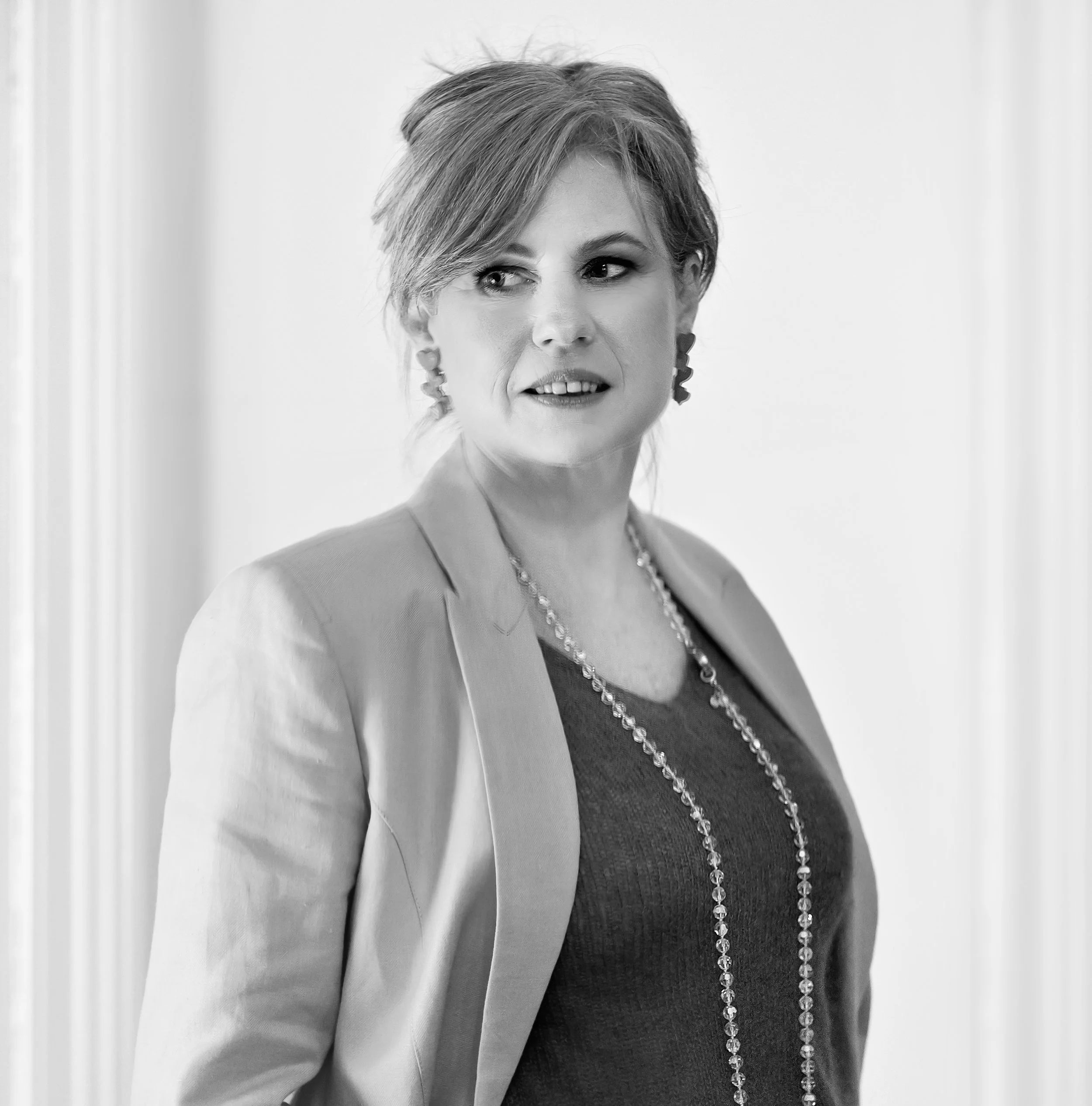
IWD: Balancing the scales
Despite profit making organisations getting into profit driven activities on International Women’s Day (IWD) in recent years, it is still an important day to acknowledge. If we’re looking for a trustworthy organisation to look to for guidance and information on marking this day, the United Nations (UN) is right up there, and has marked the day as one for global observance since 1977.
The UN Australia theme for this year is ‘Balance the Scales’. And while it may seem to people living in privileged circumstances that equality for women has been achieved, there are discriminatory laws, harmful practices and gender-based violence still preventing many women from living safely and with dignity. Sadly there is still lots of work required in this space.
Even many women who previously held positions of authority in the workplace find once they reach their fifties and beyond, that the world has stopped noticing them. Any respect they once had in the workplace no longer seems to count once they find themselves outside the workforce. Worse, women accustomed to verbalising strong opinions at work can be characterised as ‘grumpy old women’ once they’re older.
Why does this matter? Because every time a woman who is middle-aged or older has her opinion mocked or overlooked erodes respect for women generally. If we’re not seeing basic respect for mature women upheld in our daily lives, we won’t feel the outrage we should feel when women’s rights are eroded publicly, it won’t be addressed and the scales will never become balanced. Note even, how as basic a thing as customer service erodes for women as they age.
Most of the conversation around ‘balancing the scales’ happens at the level of policy and law (as it should). But imbalance can also show up in quiet, personal places of our lives, including our wardrobes. I frequently see this via my work with women who have left formal roles and are adjusting to their new reality.
There are some small things you can do if you are in this in‑between space after formal work:
Don’t minimise how much space older women are allowed to take up: become or remain visible. For example, there’s no need to dress in invisible beige. Yes, the coastal grandmother aesthetic can work if done on a big budget by a mature, attractive celebrity, but on the rest of us it mostly looks boring.
Understand that you’re allowed to look like the whole and complex woman you’ve become. You no longer need to dress for the one dimensional work role you used to hold. Balance those scales by embracing the multifaceted woman you are.
Consider whether your wardrobe is still favouring everyone else’s expectations. Those heels that made you ‘office‑appropriate’ and dresses that were chosen to reassure everyone else you were serious and reliable, may be obscuring the fabulous woman you are now. Instead, allow yourself clothes that fit your current energy and commitments.
If this resonates with you, this is exactly the territory we explore in The Vivienne Project; helping women whose work has changed or ended bring their wardrobes, visibility and sense of self up to date. If that’s you, my inbox is open, or you can find more details here.
In the meantime, try noticing how the women you encounter are perceived and interacted with in daily life. Do they receive the same level of respect as their male counterparts do? And if not, are there things you can do to help address this?